
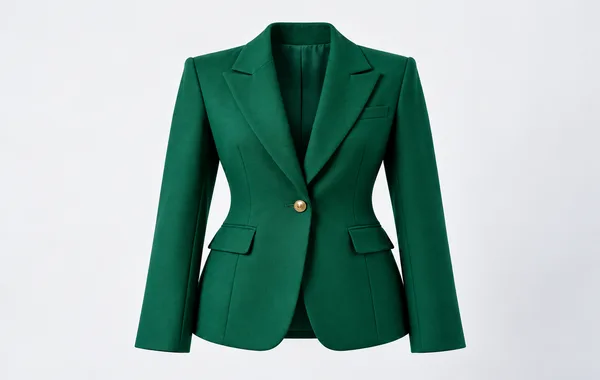
Apparel is the single largest merchandise category in global e-commerce, but it is also the category plagued by the highest return rates—frequently exceeding 25% to 30%. The leading cause of apparel returns is consumer expectation mismatch: when the physical garment delivered to the customer fails to match the fit, drape, and visual quality presented on the e-commerce product page.
The ghost mannequin technique (also known as the invisible mannequin or 3D hollow composite) has become the gold standard for apparel presentation. It provides the structured, three-dimensional shape of an on-model shoot while eliminating model agency fees and keeping attention focused purely on the garment’s design.
However, ghost mannequin retouching requires sophisticated compositing skills. Low-quality, rushed editing produces floating cardboard collars, misaligned shoulder seams, and unnatural flat voids that erode buyer confidence. If you are evaluating a ghost mannequin editing service or conducting QA on an existing post-production partner, use this evidence-based 5-point technical quality checklist to audit their work.
1. Evaluation Check 1: Collar Joint Realism & Fabric Continuity
The most revealing area of any ghost mannequin deliverable is the intersection where the front collar meets the composited rear inner lining:
| Inspection Detail | Professional Quality Standard | Low-Quality Failure Mode |
|---|---|---|
| Shoulder Seam Join | The left and right shoulder seams connect seamlessly with unbroken stitch lines. | Noticeable step-downs, blurred patches, or jagged cut lines where the collar was pasted in. |
| Fabric Weave Alignment | The ribbed knit or twill weave direction of the inner back matches the collar’s angle. | The inner fabric texture appears rotated or scaled disproportionately compared to the exterior. |
| Collar Scoop Contour | The rear collar curves downward naturally behind the front neckline, simulating true neck depth. | The rear collar is cut flat horizontally, making the shirt look like a 2D cardboard cutout. |
2. Evaluation Check 2: Three-Dimensional Shadow Physics
In physical reality, when an open collar sits in front of a rear inner lining, the front fabric casts a natural shadow into the hollow neck cavity. Amateurs frequently forget this basic optical law:
- The Floating Collar Defect: If the retoucher simply pastes the inner lining behind the front layer without rendering an interior shadow, the front collar visually detaches from the garment, appearing to hover two inches in mid-air.
- The Professional Shadow Standard: A master compositor paints a soft, natural contact shadow beneath the front collar onto the rear inner lining. The shadow should feature a realistic 25% to 35% opacity gradient with a Gaussian blur radius proportional to the fabric thickness, grounding the garment in three-dimensional space.
3. Evaluation Check 3: Garment Symmetry & Outer Contour Balance
Garments dressed on physical mannequins are frequently distorted by tight pinning, gravity, or uneven sleeve stuffing. A professional service corrects physical styling flaws digitally:
- Shoulder Leveling: In Photoshop, use horizontal guide rulers across the top of both shoulder seams. High-end editing guarantees shoulder heights align within ±5 pixels, eliminating the “slouching mannequin” effect.
- Sleeve Symmetry: Both sleeves should hang at balanced, natural angles with consistent wrist opening diameters.
- Placket Straightening: On button-up dress shirts and polos, the center placket must be vertically straight without bowing, puckering, or wavy button gaps.
4. Evaluation Check 4: Hemline Continuity (Outerwear & Curved Cuts)
While the neck joint receives the most attention, the bottom hemline is equally critical for coats, jackets, and curved-hem garments:
- Curved Front-to-Back Drops: On modern dress shirts and outerwear, the back tail is cut longer than the front hem. When viewed straight on, the inside rear hem should be visible beneath the front waist opening.
- The Missing Hem Failure: Low-cost services simply slice the bottom hem flat across the front, completely erasing the inside rear tail. This misrepresents the garment’s true length and cut, leading to dissatisfied customers and returns. A qualified atelier composites the secondary rear hem shot with realistic interior drop shadows.
5. Evaluation Check 5: Brand Label & Care Tag Preservation
For premium apparel brands, the woven neck label is an essential brand touchpoint. Inspect how the editing service treats typography and tags:
- Label Centering: The brand label must remain perfectly centered between the shoulder seams, even if the garment shifted slightly during the shoot.
- Legibility & Glare Removal: Satin or metallic brand labels frequently catch harsh studio strobe reflections. Professional retouchers balance exposure on the label so font typography and sizing numbers remain razor-sharp and legible.
- Eliminating Mannequin Markings: Ensure zero white plastic mannequin neck remnants or magnetic clasp hardware peek through behind the label.
6. Summary Quality Audit Matrix for Apparel Buyers
When reviewing test images from prospective ghost mannequin vendors, score them using this standardized scorecard:
| Audit Criteria | Passing Standard (Score: 10/10) | Critical Failure Flag (Reject) |
|---|---|---|
| 1. Neck Joint Seams | 100% invisible transition; matching stitch lines. | Visible cut line, blur smudge, or step-down gap. |
| 2. Interior Shadow Depth | Soft, natural 30% drop shadow under front collar. | Zero shadow (flat floating collar appearance). |
| 3. Symmetrical Silhouette | Balanced shoulders; straight vertical placket. | Wavy placket; lopsided shoulders (>10px variance). |
| 4. Hemline Integrity | Inside back hem composited on curved garments. | Back tail erased; garment cut flat horizontally. |
| 5. Background Purity | Pure solid white RGB (255, 255, 255) in neck cavity. | Gray background remnants or halo fringe. |
Elevate Your Apparel Catalog with Master Ghost Mannequin Compositing
ClipPathPro processes over 3,000 apparel garments daily for fashion lookbooks and global e-commerce brands. We assemble flawless neck joints, reconstruct natural interior shadows, and straighten plackets with guaranteed 24-hour turnaround.
Explore Ghost Mannequin Photo Editing Services Test 3 Garments Free Today →
Frequently Asked Questions
What is the primary indicator of low-quality ghost mannequin editing?
A flat, unshaded neck joint with zero interior drop shadows. Realistic apparel editing requires a subtle, 25% to 35% opacity contact shadow cast by the front neckline onto the rear inner lining to simulate true 3D cavity depth.
How should ghost mannequin retouchers handle asymmetrical or curved garment hems?
For curved or high-low hems, the retoucher must composite a secondary back-tail photograph showing the inside rear hemline. Cutting the hem flat ruins the silhouette and misrepresents the garment’s true fit to consumers.
Can ghost mannequin editing correct wrinkles and misaligned buttons?
Yes. Professional services include frequency separation wrinkle reduction, symmetrical button and placket alignment, and subtle Liquify adjustments to remove fabric bunching caused by studio clamps or uneven mannequin padding.
What should apparel brands do if the front and neck shots have different lighting exposures?
A qualified retouching atelier uses Curves and selective Color Balance adjustment layers to match the luminance and white balance of the inner collar inset to the front garment before merging the composite.